- knus.bg@gmail.com
- House# 26 (2nd floor), Road# 02, Shekhertek, Adabor, Mohammadpur, Dhaka-1207
Out of School Children Education Program (OoSCEP)
Service Overview
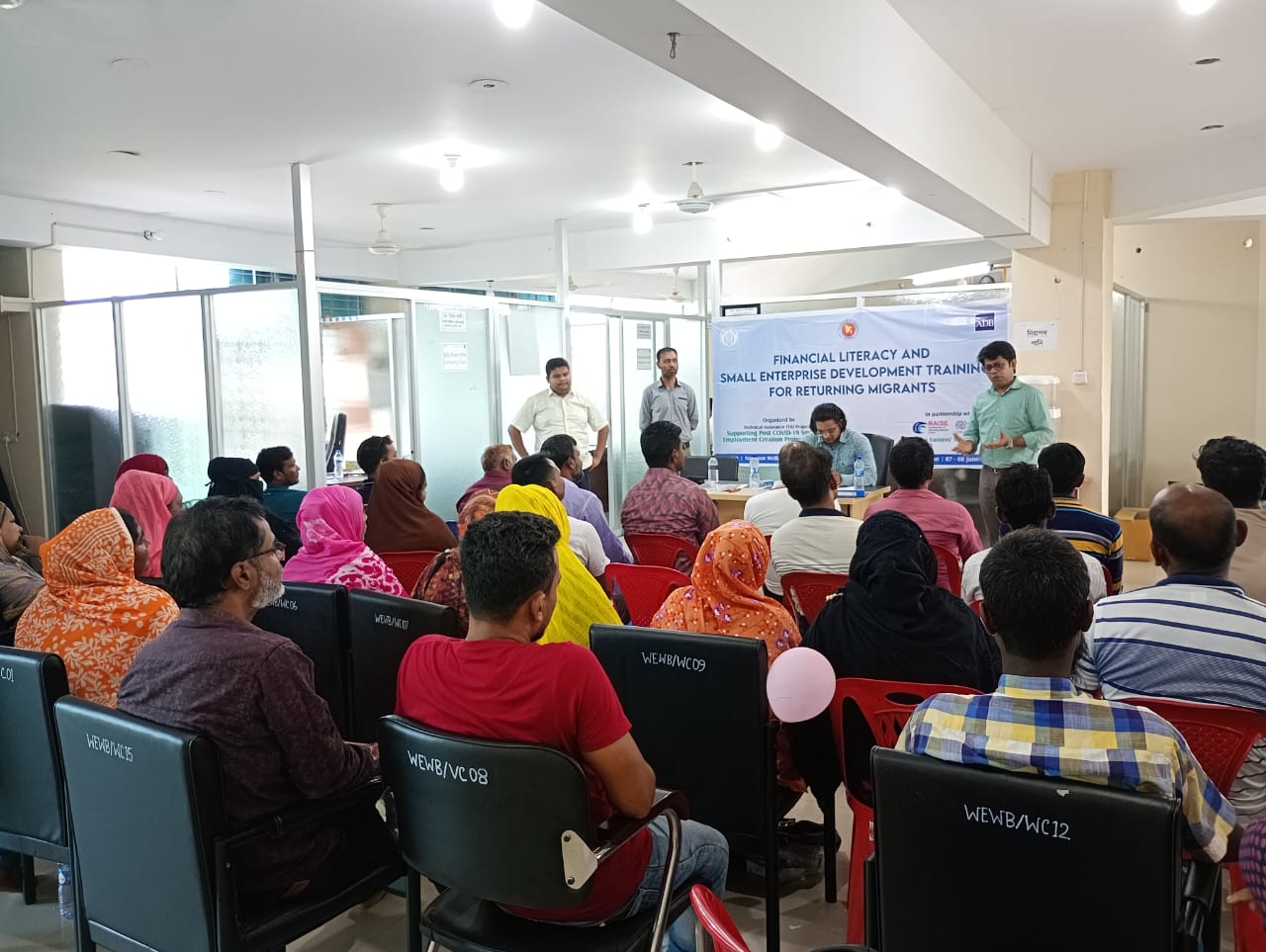
<p>At this stage KNUS has been operating 40 Schools & Learning Centers in different location of its working areas in Agargaon, Bosila urban slums & Nowabganj rural areas where 1500 abandon vulnerable slum’s underprivileged children are studying in the Schools. Through this education, they learn & aware their rights/entitlements, respect to others, ethical values, personal hygiene, responsibility to mothers/fathers, relatives, society. Each Center has one Teacher who is responsible for facilitating learning to the 60/30 underprivileged children/students. The education program has been supported by BRAC, Govt department BNFE funded by World Bank. Through this education program the abandon children involve in education and remove them from the different un-social activities. </p> <p>Beside this, KNUS has started its Education School program for underprivileged aborigine adolescents at Mohadevpur Upazila under Naogoan District. As a humanitarian organization KNUS is very much closely working with the aborigine/indigenous & ethnic minorities children, adolescent girls at Mohadevpur Upazila under Naogoan District where we started a school program with own fund. 30 aborigine/ethnic minorities adolescents are enlisted in the school and it’s found that they are developing themselves in terms of education, personal hygiene as mainstreaming adolescents. Beside the education, KNUS regularly provide them Napkin, Soap, Tissue paper and others hygiene material along with awareness education. </p> <p>KNUS has well capacity & expertise to successfully operate the school program for the adolescent girls and food security and livelihoods program in 3 Districts as KNUS is already implementing & experiencing such small-scale program in different parts of the country. </p> <p>KNUS has also established 05 nos Empowerment Knowledge and Transformative Actions (EKATA) at the community level of Bogura & Naogaon district. Through this EKATA groups, KNUS has developed women leadership at the catchment areas, educated/taught them on numeracy & literacy, raising social voice, eliminating eve teasing, stop early marriage, family law and social discriminations. By this time around 1845 women members have been educated through the adult literacy program. The technique of teaching/learning is a participatory and through Participatory Rural Appraisal (PRA) approach. The participants identify the learning topics and discuss the problems including the probable solution. Then they learn need-based reading & writing skills by using the methods of Paulo Frey and Robert Chamber as well as community techniques. The urban slums people, especially social workers assisted NFE and adult literacy program with the adult participants is also going on at different locations of Bogura & Naogaon districts. The all EKATA groups are playing a vital role to eliminate the social discrimination, domestic violence, eve teasing, those significantly contributed to the women empowerment. </p>